> Development > Sericulture


Centuries ago, when community life was uncertain and difficult, the Misings, the second largest plains tribe in Assam, tried to protect themselves from wild animals by camouflaging with their traditional attire interlaced with nature-inspired colours and motifs. They used to weave handloom patterns with colours like white, red and black on traditional attire so that they can mislead wild animals, mostly tigers. So goes the story.
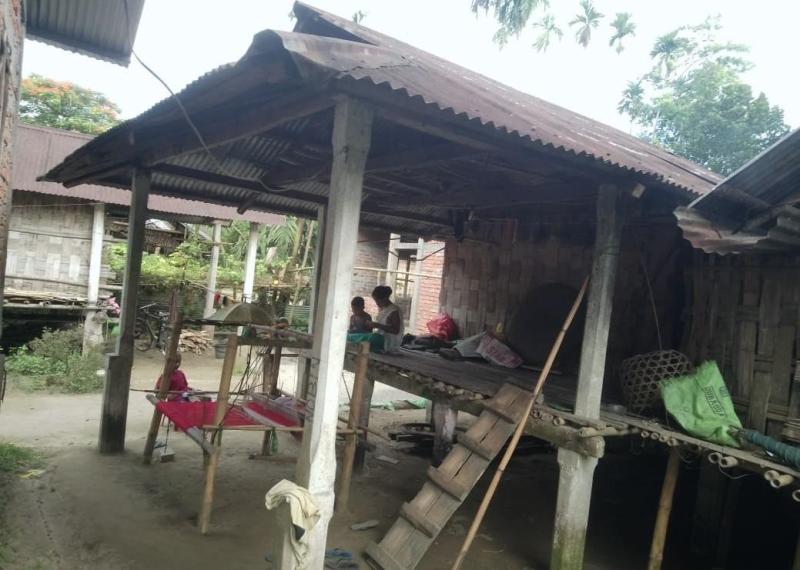
Photo- Dipak Narah
“Our ancestors used to believe that these nature-inspired patterns resemble the patterns of tiger stripes and thus they could immediately camouflage themselves in jungles for safety. Similarly, other nature inspired motifs like flowers, insects, and animal too, easily have found space in our traditional textile designs”, says Chatra Medok, director, Rural Life Resource Centre, an organization that that runs a Mishing handloom weaving and training centre under Mising Autonomous Council.
In the recent years, cheap power loom products camouflaged as handloom products by mimicking traditional handloom woven Mising designs have been posing threats to sustainability of age-old weaving practices of the community. Greedy traders from outside, with their aggressive marketing strategies, encroaching market space of indigenous Mishing handloom products by replacing those with power-loom replicas made with adulterated thread and distored design at cheaper price.
Medok is worried as outside market giants with their power-loom products have posed serious threat to handloom weavers.
The Mishing community has a rich cultural heritage deeply intertwined with nature, agriculture and ancestral traditions. Most prominent festivals of the tribe include Ali-Aye-Ligang, which is a seed-sowing festival and is celebrated during the sowing season of summer rice Ahu and Po:rag, the post-harvest festival.
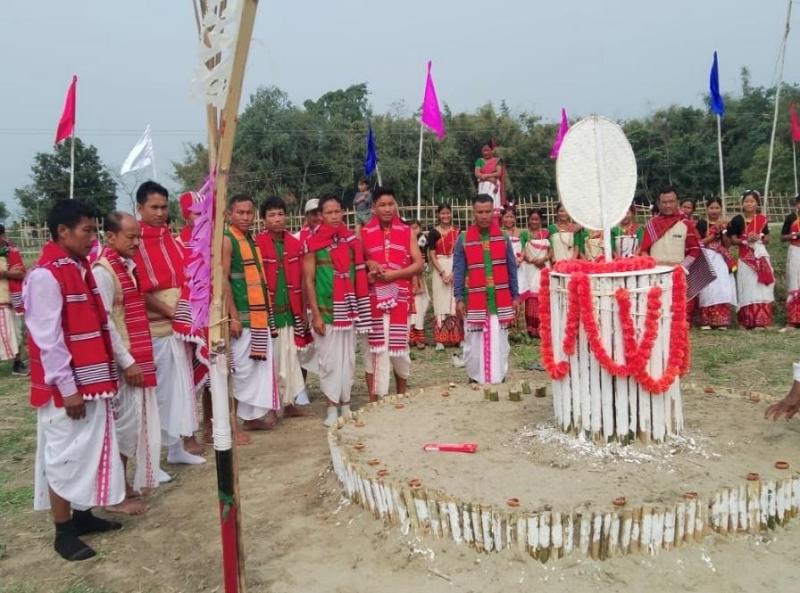
Photo- Dipak Narah
Besides these, Dobur Uie, another religious festival is celebrated to worship spiritual forces and nature to ward off evil or misfortune. Ritualistic practices relating to childbirth, marriage, death are also prominent among the community with specific uses of their traditional clothes.
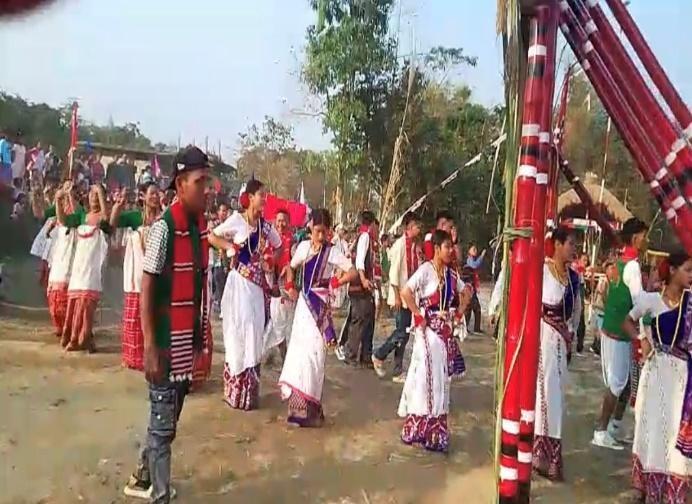
Photo- Dipak Narah
The production was initially more of a community-based tradition where every Mising women were expected to weave for their personal and family use. Much of the knowledge was passed down orally through generations especially from mothers to daughters.
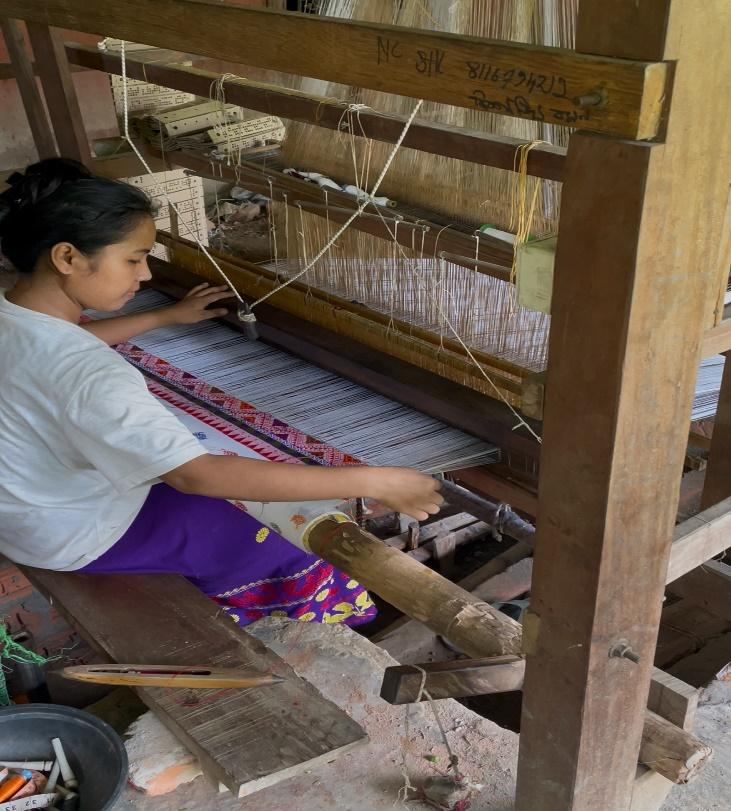
A young weaver at a local handloom industry in North Lakhimpur. (Photo - Progya Das)
Najitora Bori, owner of Chandana Industry in North Lakhimpur, elaborated the process of handlooms, specifically the fly shuttle looms. She also runs Karpungpuli (K) Society -a non-governmental organisation, along with nine other members. The traditional silk warping setup introduces visitors to the intricacies of traditional handloom practices of the community. The industry shed, where the workers were busy weaving, tells the stories of resilience of traditional handloom practice in the competitive textile markets through pioneering efforts.
Bori said that many female weavers, belonging to downtrodden and marginalised households and hired by her, found a new way of living through their weaving skills.
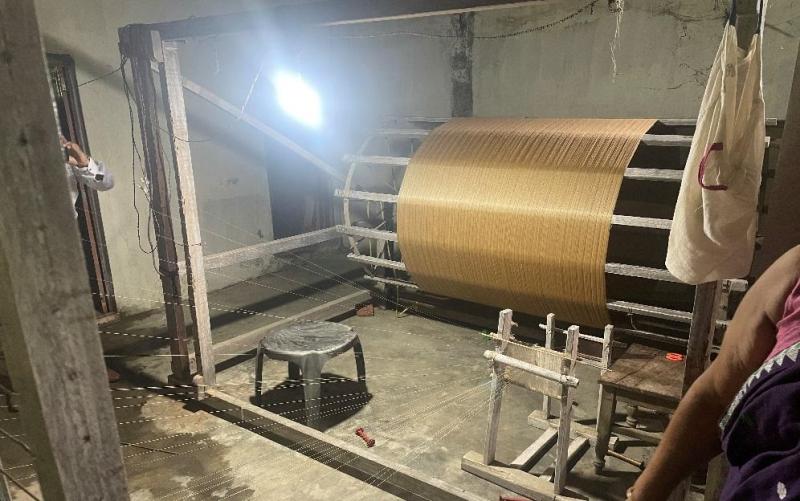
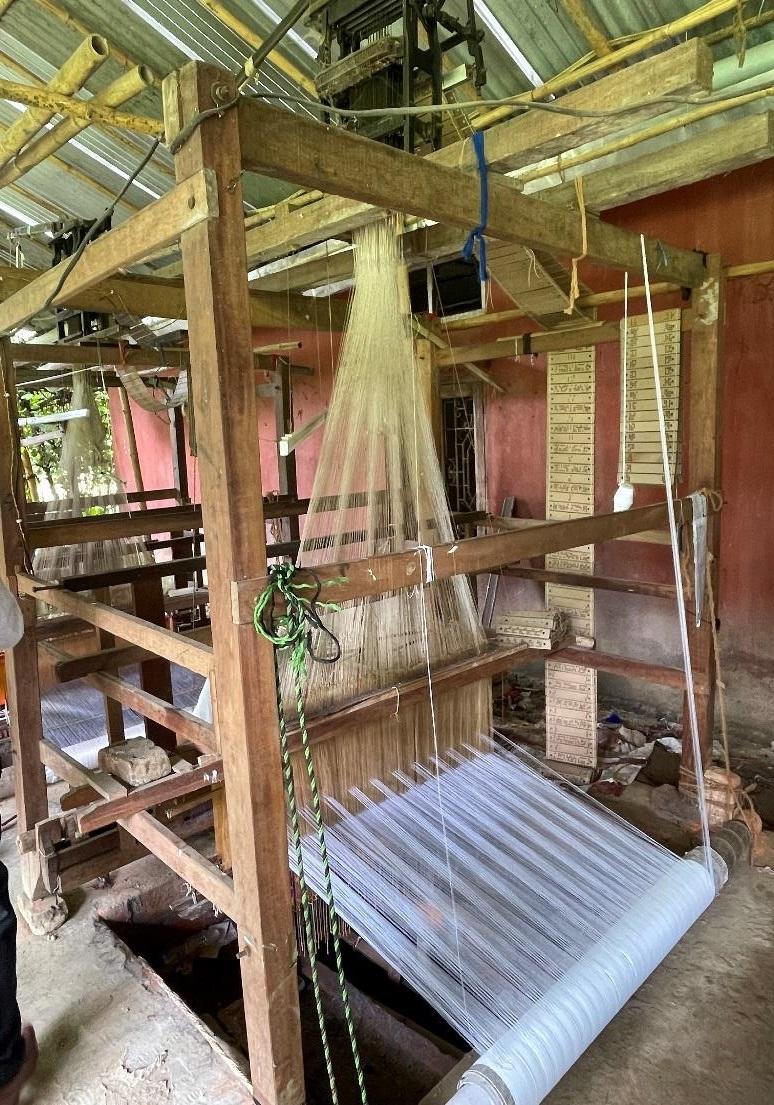
(Photo - Progya Das)
The final stop was at Kangkan Emporium, a popular clothing store in Dhemaji, specializing in both Mising and Assamese handloom clothing. The owner, Jecin Kumbang Pao is also acclaimed as a recipient of the Assam Gaurav Award.
.
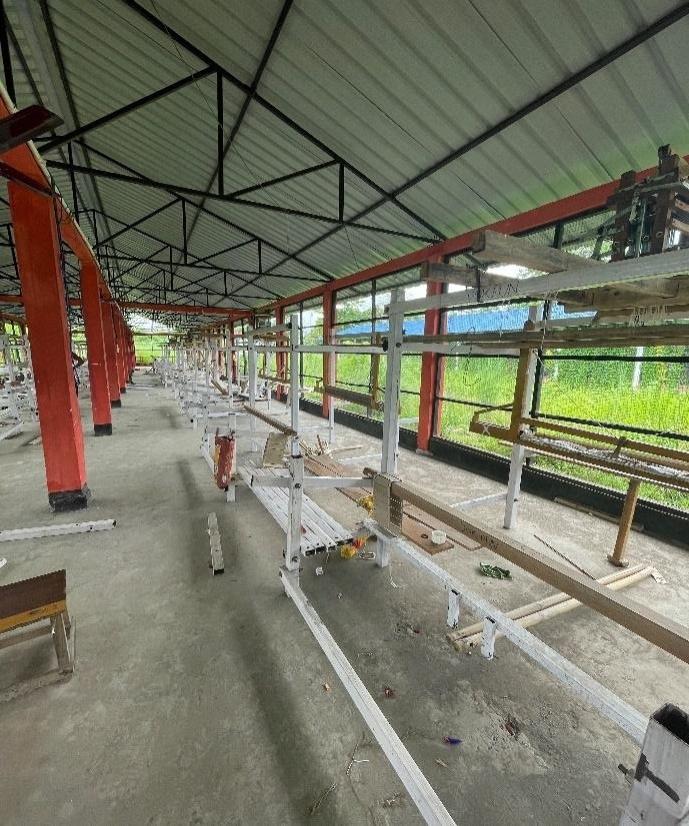
(Photo - Progya Das)
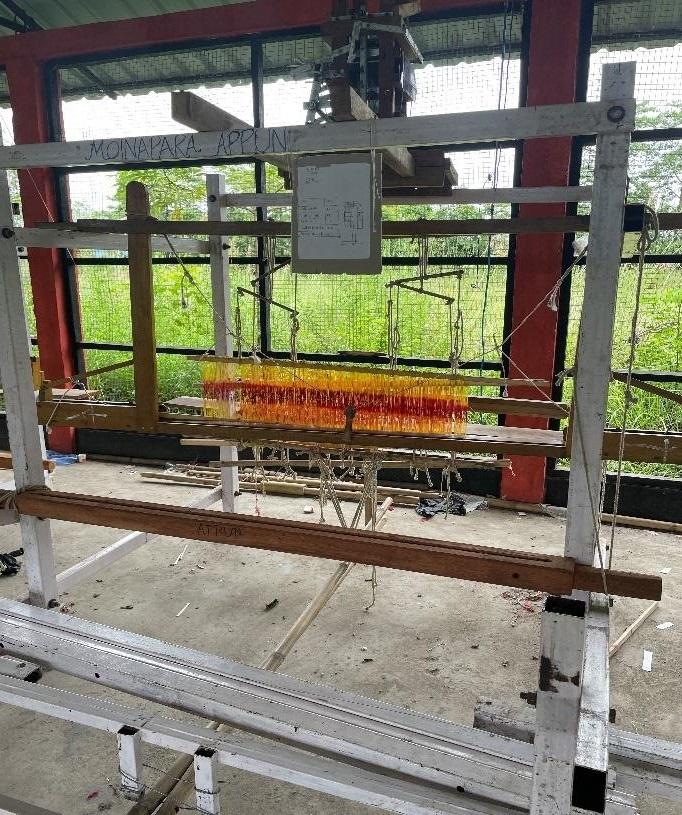
(Photo - Progya Das)
The environment at handloom industry situated right above the store was bustling with energy as the workers were already busy stitching and weaving. It showcases efforts to preserve the traditional cultural practice through industrial ventures.
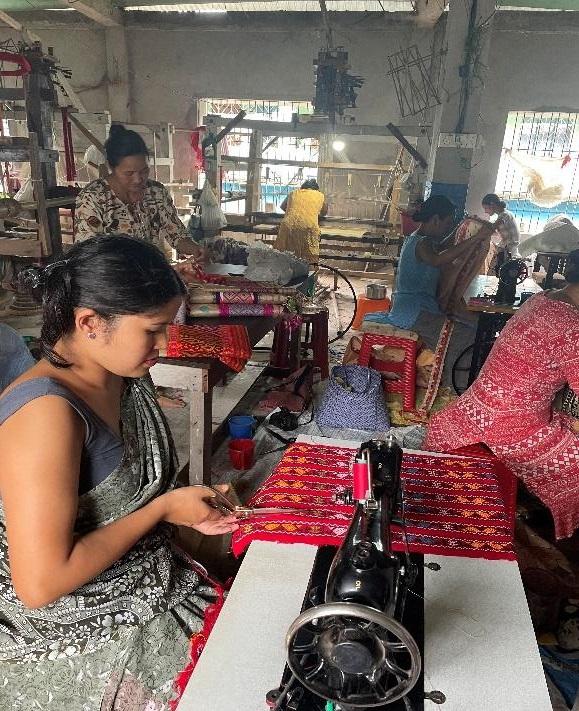
(Photo - Progya Das)
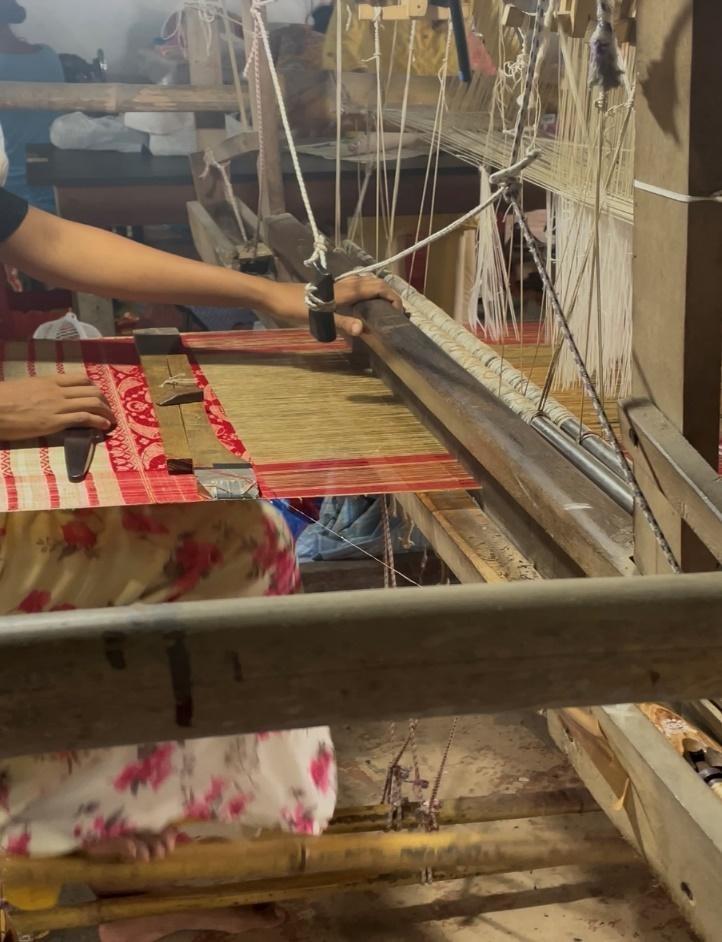
Handloom industry above the Kangkan Emporium store, Dhemaji. (Photo - Progya Das)
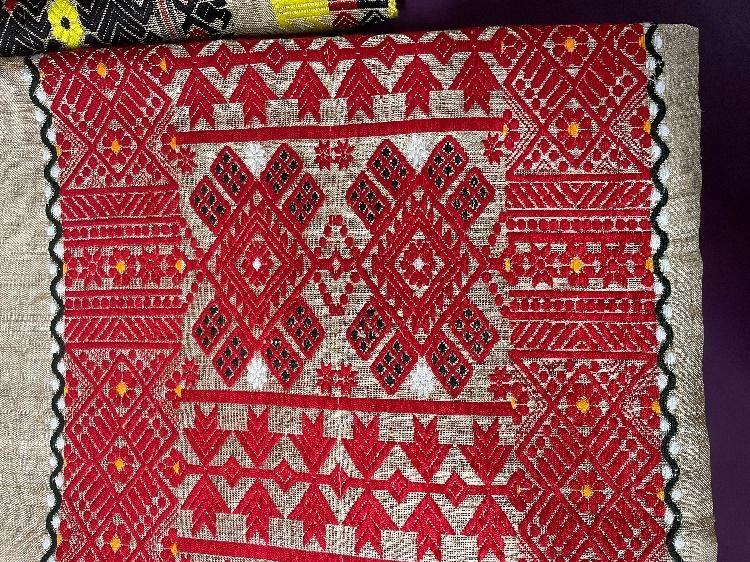
Some of the common designs found in the Mising traditional clothing are as follows:
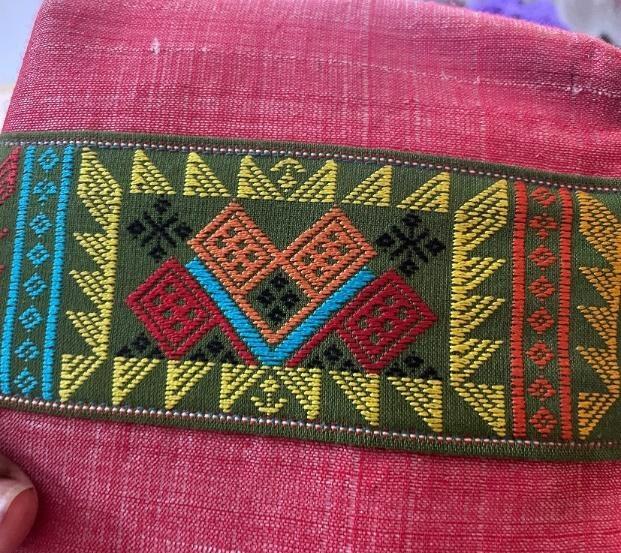
The above design is called Mayap, meaning “fan” in Mising due to its resemblance to a hand fan. (Photo - Progya Das)
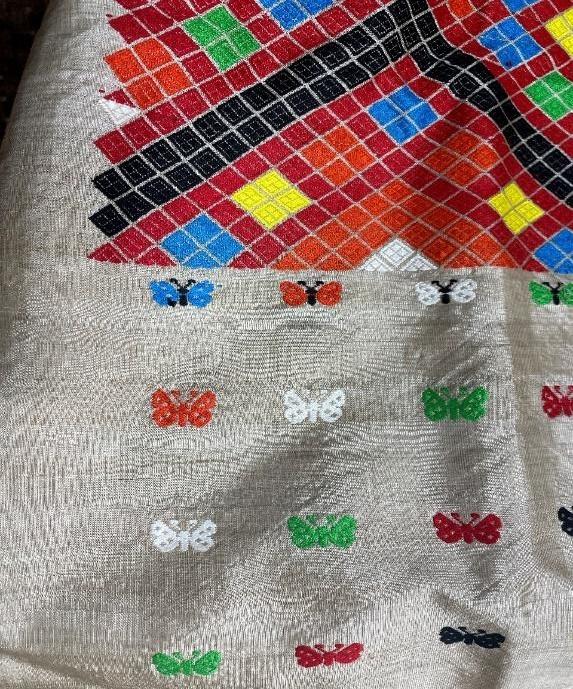
The above pattern is called Po:pir, meaning butterfly in Mising. (Photo - Progya Das)
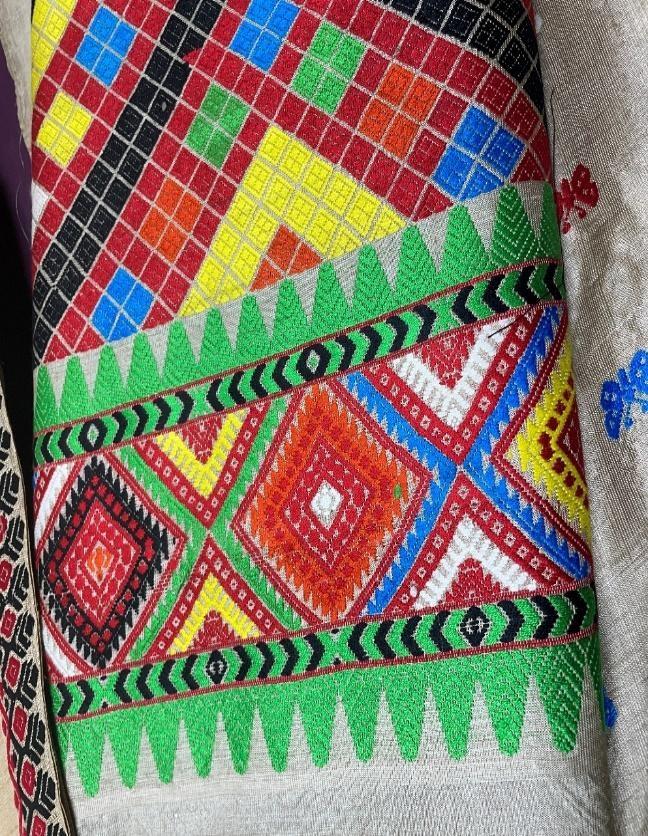
The above pattern is called Pratum, a Mising word having similar reference to the diamond shape of Xorai, a typical brass metal tray used as a symbol of respect and offering in Assamese tradition (Photo - Progya Das)
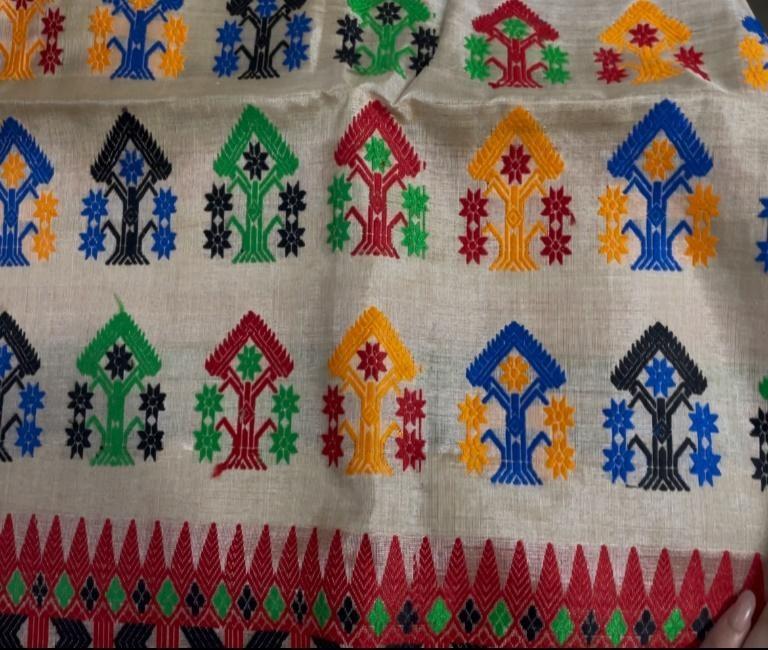
The above design is called Miri Gos (Miri Tree) (Photo - Progya Das)
Since rituals and occasions have been significant among the Misings, some common woven cloths like Ribi Gaseng, Gero, and Latum are used specifically. They are meticulously woven in handlooms with great precision to highlight the prominence of the Mising weaving tradition.
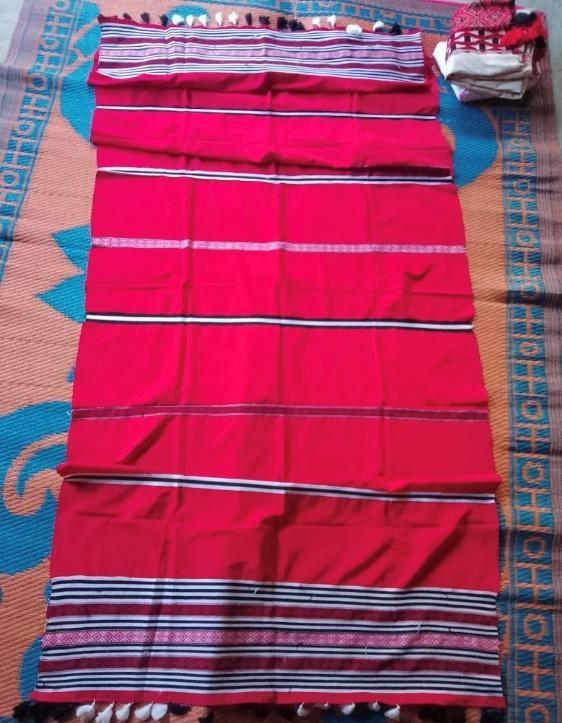
Ribi Gaseng (Used by women during numerous rituals and is believed to ward off evil spirits). Photo by Dipak Narah
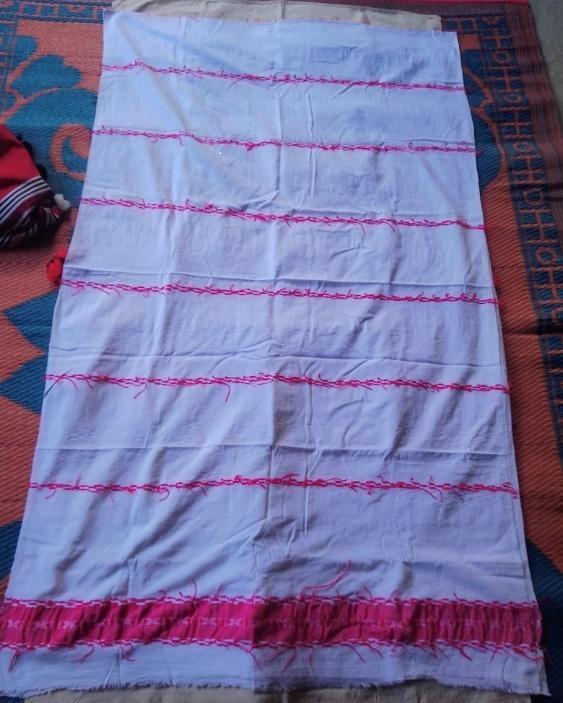
Latum (Used for rough use like towel)- Photo by Dipak Narah
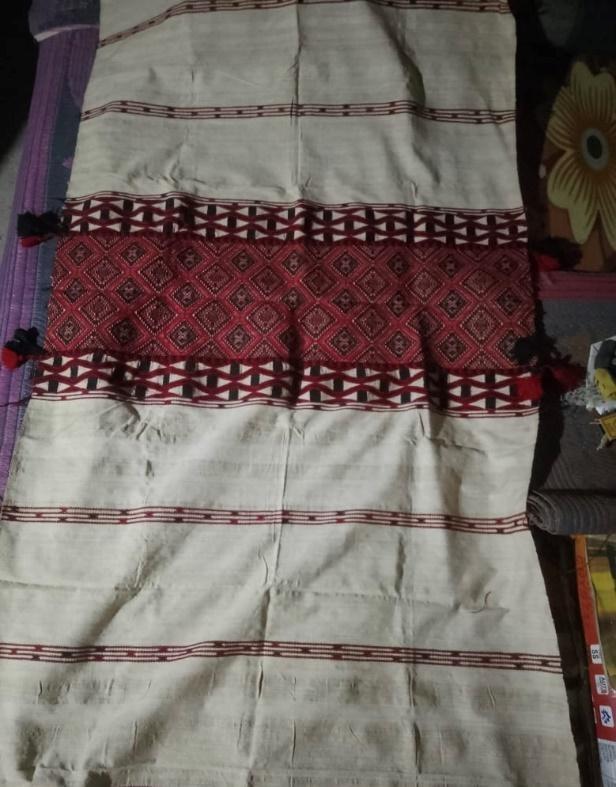
Gero. Photo by Dipak Narah
These beautiful fabrics are more than just a clothing item under the textile industry of the Mising people, they reflect the history and the way of life with connection to nature. Every pattern and colour hold meaning, often inspired by surroundings and traditional beliefs. These traditional clothes are not just fashion but also a medium of oral traditions passed down through generations.
Chatra Medok feels such unique tradition will sustain only with proper market support to indigenous handloom weavers.
“A pair of dress woven for women in a traditional handloom cost at least Rs.3,500. The outside traders have made available such pairs woven on power loom with adulterated thread and distorted designs at Rs.400-Rs.500. It is high time that we do something to protect this centuries-old tradition in pure form,” he adds.
Special thanks to the following individuals for their guidance
Bichitra Patir (Jasmine) – CEO of Phulsa Enterprise
Juwel Pegu – General secretary, Mising Writers' Association
Dipak Narah – Forest guard (North Lakhimpur division)
 Navigations
  Quick Contact
 Subscribe Us
 Quick Mail