> Creative > Book Review


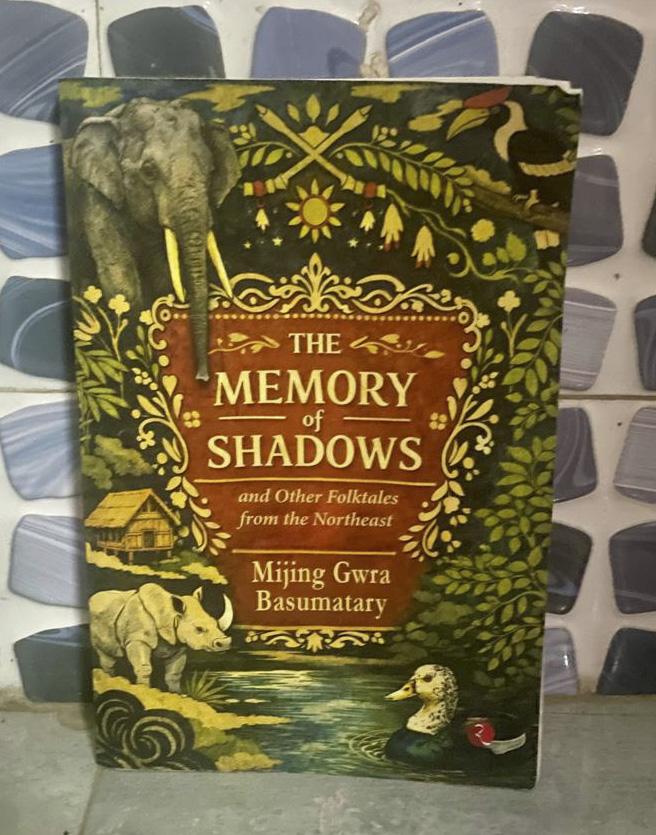
Mijing Gwra Basumatary’s The Memory of Shadows is an important collection that brings the stories, folklore and lived experiences of Northeast India into contemporary English literature. The book contains eighteen short stories that draw from myths, supernatural beliefs, and oral traditions of the region. Most of the stories are set in Mushalpur and focus on the lives, beliefs, and culture of the Bodo community, one of the largest plains tribes of Assam. Instead of presenting the community from an outsider’s perspective, Basumatary offers an authentic portrayal of their everyday lives, traditions, and changing realities.
One of the strengths of the collection is its wide thematic range. The stories move between the past and the present, as well as between rural villages and modern urban spaces. Through these shifts, Basumatary highlights how the Bodo community has changed over time. The stories set in the past show a way of life closely connected to nature, where people lived in harmony with their surroundings. In contrast, the stories set in the present reveal how modernisation has distanced many people from their land, traditions, and cultural roots, creating a sense of loss and displacement.
The collection also celebrates the rich tradition of oral storytelling. Basumatary’s writing is simple, engaging, and deeply rooted in folklore. His stories retain the rhythm and warmth of spoken narratives while making them accessible to contemporary readers. Many of the stories carry moral lessons, but they never feel overly preachy. Instead, they encourage readers to think about the close relationship between humans and nature and the consequences of losing that connection.
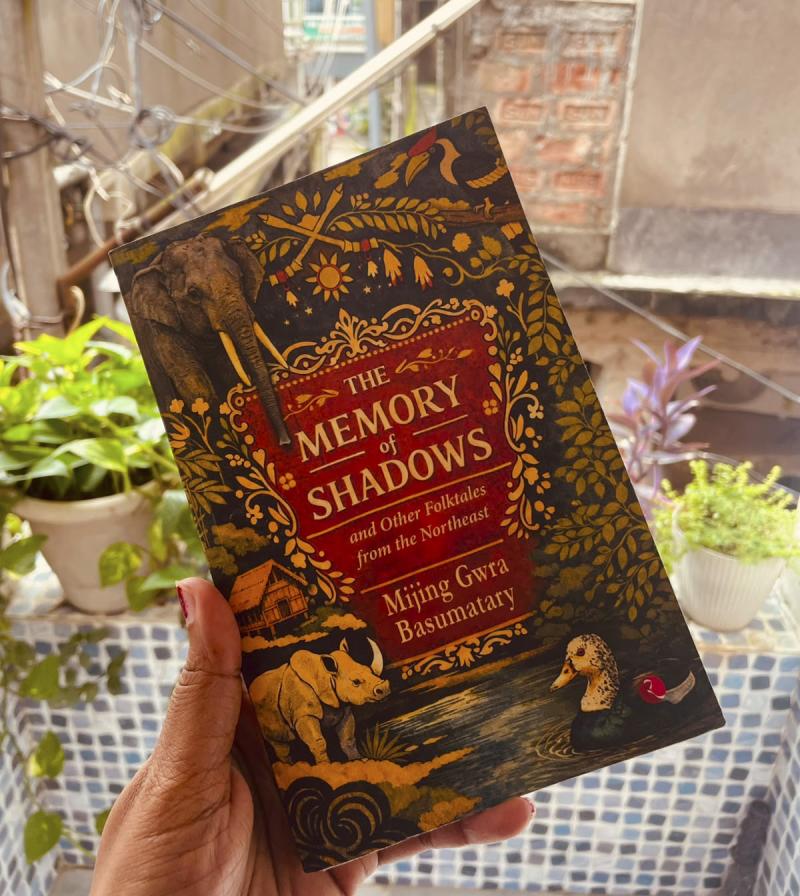
The landscapes in the stories are more than just settings. Places such as the Charen beel and isolated village roads carry historical and political meanings. They reflect the impact of colonialism, neglect and social change on the region. Basumatary also pays close attention to rituals, especially funeral rituals, showing how they help communities remember the dead, cope with grief and preserve cultural identity. Another important theme in the collection is the interaction between traditional beliefs and Christianity. Basumatary explores how the arrival of Christianity changed the lives of the Bodo people. However, he does not present this as a simple conflict between two religions. Instead, he suggests that traditional beliefs and Christianity can exist together, even as they reshape each other over time.
At the same time, the collection argues that the power of nature goes beyond the limits of organized religion. This idea is especially clear in Ganda’s story, where natural forces cannot be controlled through religious rituals alone. Ganda finally finds peace not through religious institutions but by dedicating his life to protecting and serving nature. Basumatary also avoids romanticizing rural life or traditional practices. Although the stories are filled with supernatural and mystical elements, they remain closely connected to real social and political issues. The collection addresses the effects of the Indo-China War, the Bodo movement for autonomy, and social problems such as witch-hunting. Rather than defending harmful customs in the name of tradition, Basumatary openly criticizes them, showing that communities can question and reform their own practices.
The Memory of Shadows is a powerful and memorable collection. Its stories are haunting, thoughtful and deeply connected to the landscapes and cultures of Northeast India. By writing in English, Basumatary introduces the voices and experiences of the Bodo community to a wider audience. The book is valuable for readers interested in folklore, indigenous cultures, and the literature of Northeast India, and it offers important insights into cultural identity, memory, and the relationship between people and nature.
 Navigations
  Quick Contact
 Subscribe Us
 Quick Mail